6 Sep 2026
French Regulatory Influences on Payment Choices and Strategy Building for Mobile Slot and Table Play
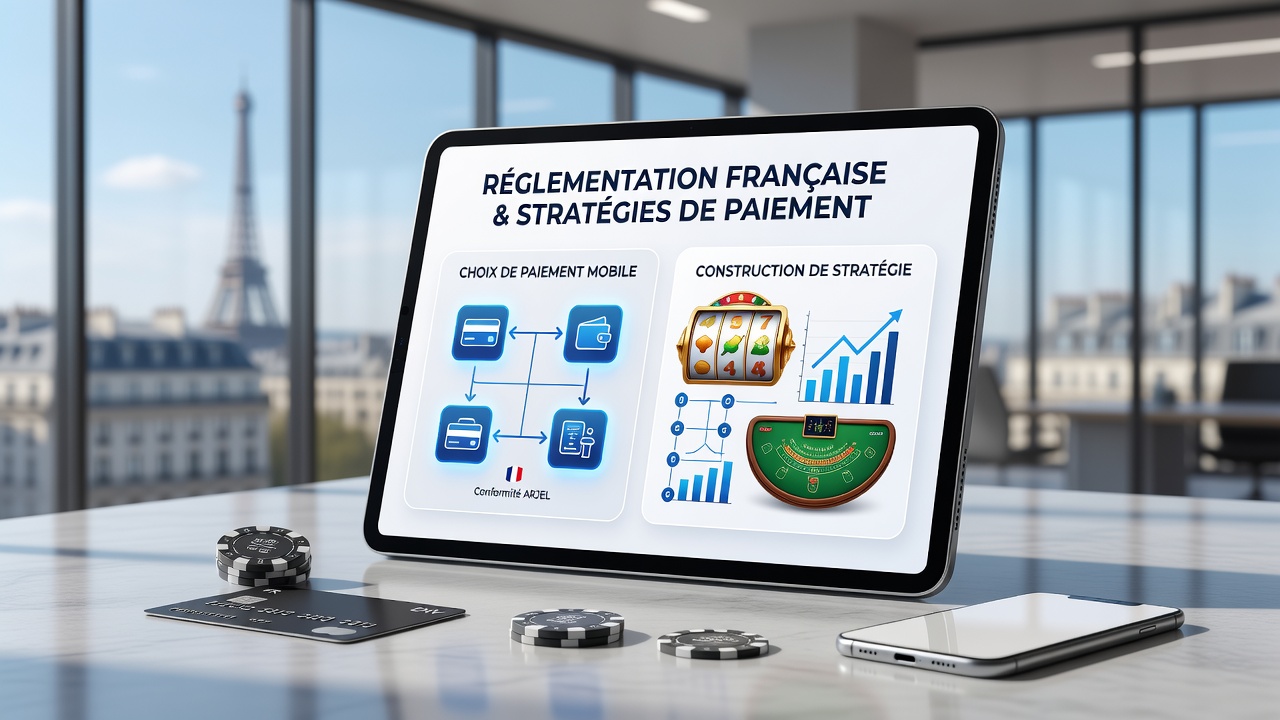
The French gambling market functions under the direct supervision of the Autorité Nationale des Jeux, an independent body that sets clear boundaries for all licensed operators offering mobile slot and table games. Those rules shape which payment methods players can access and how operators structure their mobile strategies to remain compliant while meeting user demand. Data from official regulatory filings show that approved payment channels must undergo rigorous verification processes before integration into any mobile platform, a requirement that influences everything from deposit speed to withdrawal timelines.
Payment Method Approval and Mobile Integration Rules
Operators must select only those payment providers that satisfy ANJ standards for security, traceability, and consumer protection, which often limits options to established bank transfers, debit cards, and certain e-wallets already vetted at the national level. Mobile applications face additional scrutiny because transaction data travels through device-specific networks, prompting regulators to require extra layers of encryption and real-time monitoring. Research published by the European Commission indicates that France maintains one of the stricter frameworks in the EU for digital payment flows in gaming, with updates scheduled to take effect in September 2026 that will further standardize reporting on mobile transaction volumes.
These constraints push companies to build flexible backend systems that can adapt quickly when a new payment method receives approval or when an existing one falls out of favor. Strategy teams therefore allocate significant resources to compliance testing on both iOS and Android environments, since each operating system introduces distinct technical requirements that regulators examine during audits.
Impact on Mobile Slot and Table Game Strategies
Payment restrictions directly affect how operators design bonus structures and loyalty programs for mobile users. Because certain instant-payment solutions remain unavailable, promotions tied to deposits must account for longer processing windows, which changes the timing of rewards and the way players experience table game sessions. Observers note that companies often develop tiered payment pathways, routing high-volume table players toward verified bank channels while directing casual slot users toward quicker card options that still meet regulatory thresholds.
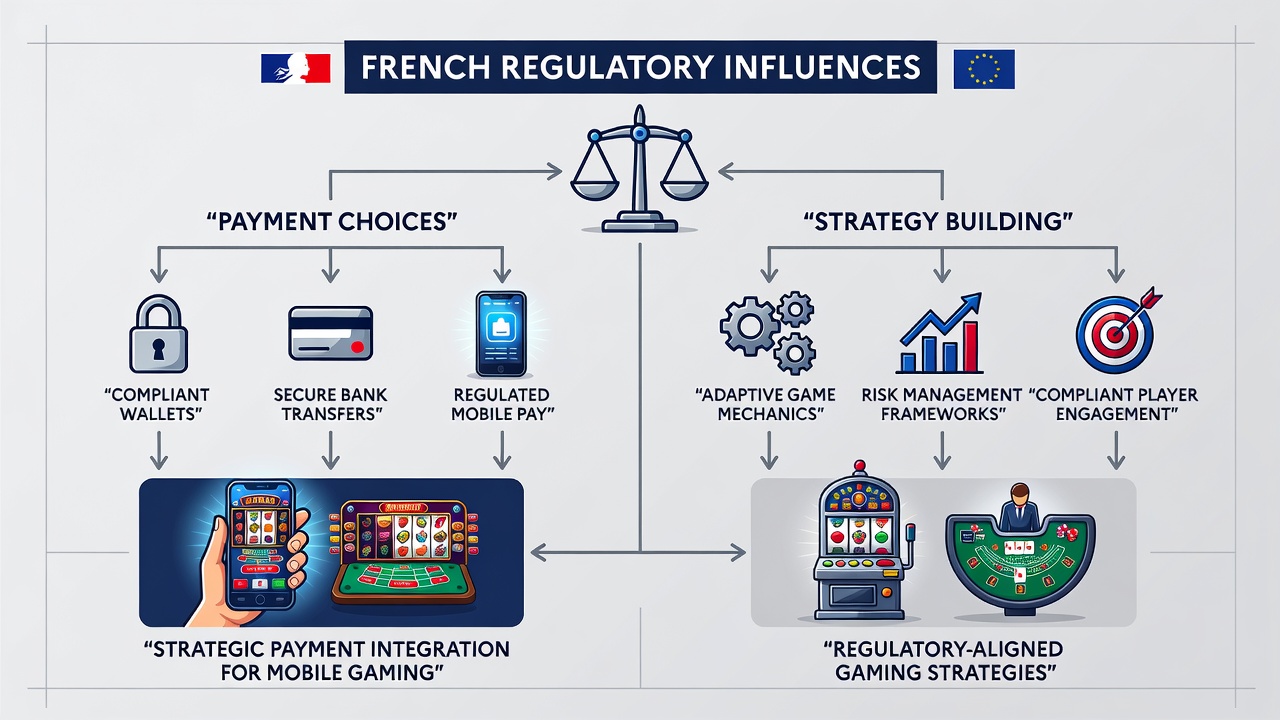
One study released by the Organisation for Economic Co-operation and Development examined how national licensing regimes across Europe shape mobile gaming interfaces and found that French operators invest more heavily in pre-transaction identity checks than their counterparts in less regulated markets. This emphasis on verification influences user interface decisions, including where payment buttons appear on screen and how many steps separate a player from entering a live table game. Strategy documents prepared by major license holders reveal that teams now model revenue forecasts around the average clearance times associated with each approved method rather than assuming instant funding.
September 2026 Regulatory Updates and Forward Planning
Beginning in September 2026, the ANJ will enforce enhanced disclosure rules that require operators to display real-time status updates for every mobile transaction, including pending regulatory reviews. Companies have already started adjusting their mobile applications to accommodate these changes, incorporating progress indicators and automated alerts that keep players informed without disrupting gameplay flow. Those adjustments extend to backend analytics as well, where strategy builders incorporate new data fields that track compliance metrics alongside traditional engagement statistics.
Operators also prepare contingency plans for potential shifts in acceptable payment instruments, since the upcoming framework allows the regulator to add or remove methods based on emerging risk assessments. This uncertainty encourages diversified partnerships with multiple approved providers so that mobile platforms can switch routing logic without major code overhauls. Figures released by the French Ministry of Finance show steady growth in mobile gaming participation, which places additional pressure on operators to maintain seamless payment experiences while staying inside the evolving rule set.
Building Compliant Mobile Strategies
Successful operators treat regulatory compliance as a core component of product development rather than a separate checklist item. Cross-functional teams combine legal experts, payment specialists, and mobile developers to test every new feature against current ANJ guidelines before release. This integrated approach reduces the risk of last-minute adjustments that could affect player retention during peak hours for slot and table play.
Training programs within these organizations focus on interpreting regulatory circulars quickly so that payment strategy adjustments roll out across live applications with minimal downtime. Data analytics platforms now include modules that flag transactions falling outside expected patterns, helping teams respond to regulator queries with precise records rather than aggregated summaries.
Conclusion
French regulations continue to define the boundaries within which mobile slot and table game operators select payment methods and construct long-term strategies. The framework emphasizes security, transparency, and player protection, requirements that shape technical architecture and promotional planning alike. With further refinements scheduled for September 2026, companies maintain ongoing monitoring processes to ensure their mobile offerings remain both compliant and competitive.